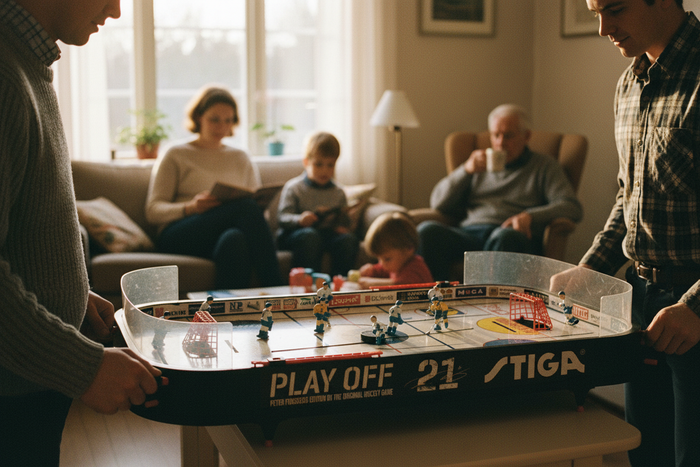
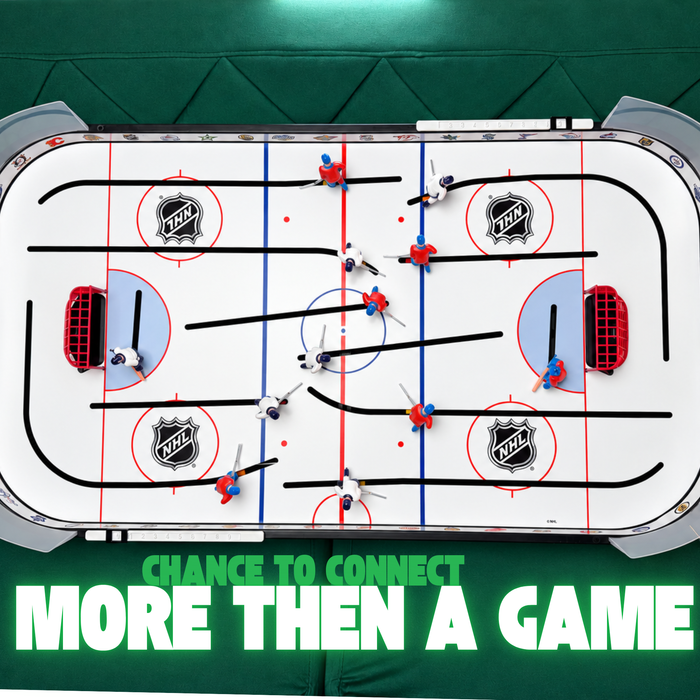
Top table hockey community activities: skills and connections
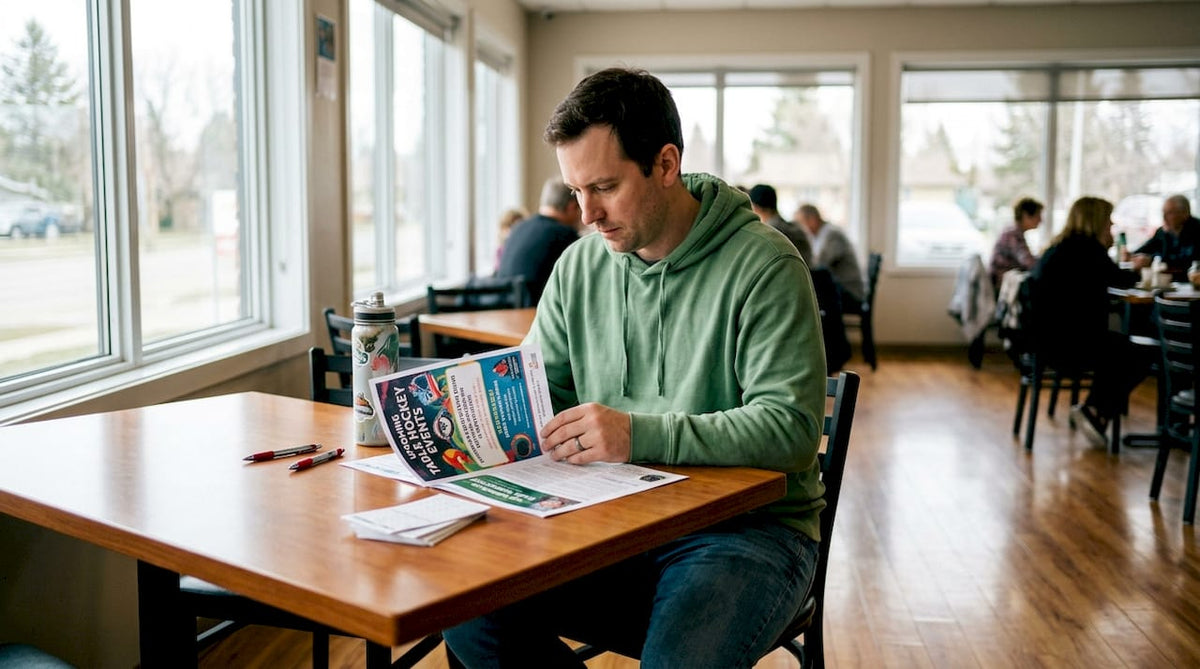
TL;DR:
- Connecting through local clubs, online groups, and tournaments builds community and skills.
- There are various activities from casual open nights to official international competitions.
- Emphasizing friendship and inclusion fosters long-term growth and enjoyment in table hockey.
Finding meaningful table hockey community activities is harder than it looks. With events scattered across local clubs, national federations, and online platforms, both new and experienced players often miss opportunities that fit their goals. The International Table Hockey Federation oversees a global network of ranked players and national bodies, yet many enthusiasts never tap into it. This article identifies the top ways to connect, compete, and grow within the global table hockey scene. Whether you play casually on weekends or aim for ranked competition, there is an activity format built for you.
Table of Contents
- How to choose the right table hockey community activity
- Local and global table hockey tournaments
- Clubs, leagues, and open play nights
- Fundraisers, social events, and online communities
- Advanced skills workshops and community learning resources
- Why the heart of table hockey is community, not competition
- Start connecting with the table hockey community today
- Frequently asked questions
Key Takeaways
| Point | Details |
|---|---|
| Global opportunities | Players of all levels can join tournaments, clubs, or fundraisers in 50+ countries. |
| All skill levels welcome | From complete beginners to pros, every community activity offers a route to connect and grow. |
| Hybrid activities thrive | Combining competitive and social events leads to richer experiences and a stronger community. |
| Online and in-person access | Join physical meetups or digital groups for flexible ways to learn, compete, and socialize. |
How to choose the right table hockey community activity
Before jumping into the first event you find, it helps to ask a few practical questions. What is your current skill level? Are you playing for fun, or do you want ranked competition? Do you prefer Stiga and Swedish-style play or alternative formats like Coleco? These questions narrow your options fast.
Activity format matters just as much as skill level. The main types include:
- Single tournaments: One-day or weekend events with structured brackets
- Seasonal leagues: Ongoing play with standings and rankings over weeks or months
- Open play nights: Informal sessions open to all skill levels
- Fundraising events: Competitive or social play tied to a cause
- Skill workshops: Focused sessions on technique and rule knowledge
Formality is another factor. Official events governed by bodies like the ITHF, which oversees 21 national federations and more than 8,000 ranked players from 50+ countries, follow standardized rules and equipment requirements. Casual club nights have far fewer restrictions.
For table hockey teams, the social vs. competitive balance is especially important. Some players thrive in high-pressure ranked play. Others prefer a low-stakes environment where learning comes first.
Pro Tip: Look for hybrid events that combine a competitive bracket with a social fundraiser. These attract a wider mix of players and create stronger community bonds than purely competitive formats.
Matching the activity to your goals from the start saves time and keeps motivation high.
Local and global table hockey tournaments
Tournaments are the most visible part of the table hockey community. They range from small club-level brackets to international ITHF championships with players from dozens of countries.
Here is what to expect at different levels:
- Club-level tournaments: Low entry barriers, often free or low cost, focused on fun and local connection
- National championships: Governed by national federations, require registration and may involve ranking points
- ITHF international events: The highest tier, with standardized Stiga tables and official global championship rules
- Fundraising tournaments: Open to all levels, often tied to causes like autism research or youth programs
| Tournament type | Skill level | Equipment | Ranking points |
|---|---|---|---|
| Club event | All levels | Varies | No |
| National championship | Intermediate to advanced | Stiga | Yes |
| ITHF international | Advanced | Stiga (standardized) | Yes |
| Fundraising event | All levels | Varies | No |
The ITHF ranked system connects over 8,000 players across 50+ countries, making international events a real opportunity to meet players from completely different hockey cultures. Tracking table hockey statistics from these events also helps you measure progress over time.
As a newcomer, the environment can feel intense. Players know the rules, the tables, and each other.
Pro Tip: Volunteer or spectate at your first tournament before entering. You will learn the pace, the etiquette, and the format without the pressure of competing.
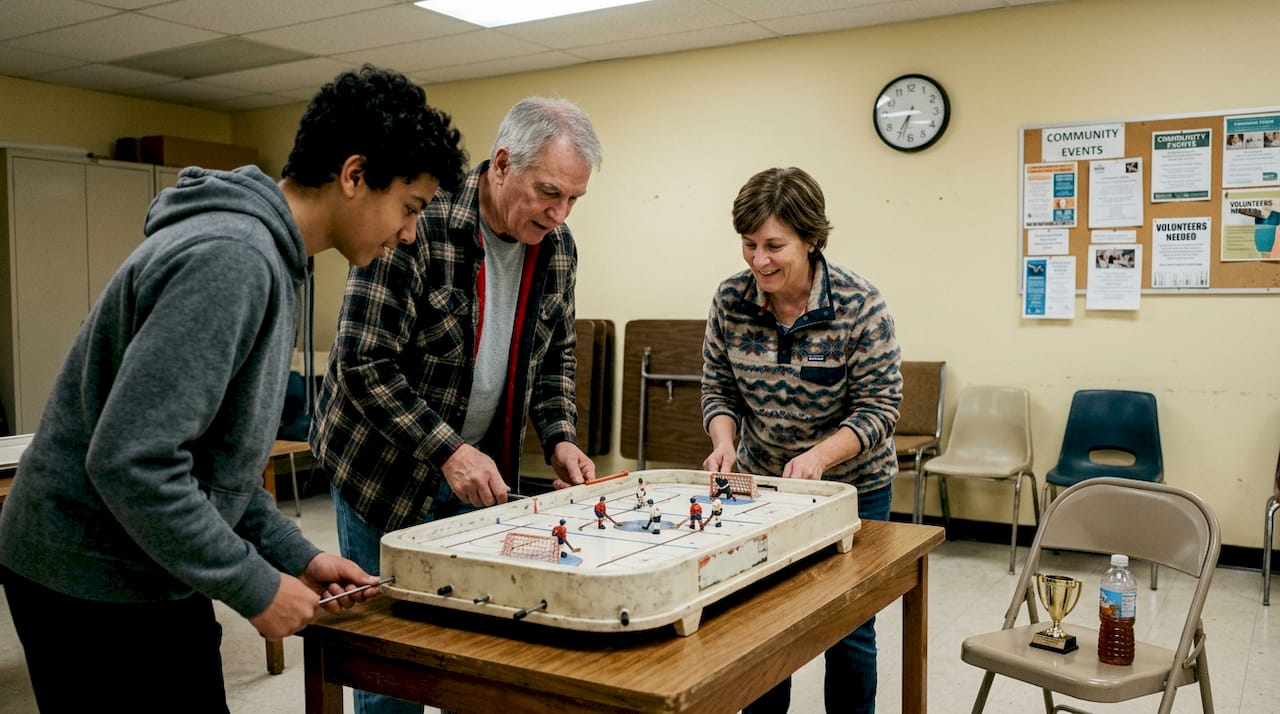
Clubs, leagues, and open play nights
Competitions are exciting, but many players find their deepest community connections through local clubs and regular league nights. These formats lower the barrier to entry and keep people coming back week after week.
Local clubs typically offer:
- Year-round access to tables and organized play
- Beginner-friendly sessions alongside advanced meetups
- A mix of Stiga table basics and alternative formats like Coleco
- Family and children’s sessions during open play nights
- Informal coaching from more experienced members
League formats vary widely. Some run casual round-robin nights where everyone plays everyone. Others track seasonal standings and award end-of-season prizes. Themed nights, like beginners-only sessions or speed-play formats, keep things fresh.
Open play nights are particularly valuable for skill development. You get repetitions in a low-pressure setting, and you can ask questions without worrying about a match result. Understanding table hockey team roles becomes much clearer when you watch experienced players up close during these sessions.
“Community engagement thrives via open local clubs and social media groups, appealing to all levels.” — Detroit Stiga Table Hockey Championships
Clubs also support both standard and alternative table styles, so players are not locked into one format. That flexibility makes clubs the most accessible entry point for anyone new to the organized game.
Fundraisers, social events, and online communities
Beyond face-to-face gameplay, table hockey has a strong culture of fundraising and digital connection. These activities extend the community beyond geography and competitive interest.
Fundraising events are a practical way to grow local interest while supporting a cause. Examples include charity nights for autism research, youth hockey programs, or community center funding. These events often combine a tournament bracket with prizes, food, and a social atmosphere that draws in people who would never enter a ranked competition.
| Format | Accessibility | Cost | Community impact |
|---|---|---|---|
| In-person club night | Local only | Low | High (direct connection) |
| Fundraising tournament | Local/regional | Low to medium | High (cause-driven) |
| Online forum or Discord | Global | Free | Medium (indirect) |
| Facebook group | Global | Free | Medium (event promotion) |
Online platforms extend reach significantly. Fundraisers and online groups foster engagement, inclusivity, and awareness across borders, including support for causes like autism through event-led Facebook groups.
Tips for starting your own local event or digital group:
- Pick a cause or theme to attract a wider audience
- Use Facebook Events or Discord to organize logistics and promote the date
- Partner with a local venue that already has tables
- Keep entry fees low or donation-based to maximize participation
- Document the event with photos and share results online to build momentum
Learning about event sponsorship and fundraising can also help you secure support from local businesses and grow the event year over year.
Advanced skills workshops and community learning resources
To boost personal abilities, take advantage of skill-building opportunities within the community. Workshops, whether in person or online, focus on specific mechanics like rod control, shot accuracy, defensive positioning, and sportsmanship under pressure.
Benefits vary by level:
- Beginners: Learn standardized rules, basic rod movements, and how to read the game
- Intermediate players: Develop consistent shot patterns and defensive habits
- Advanced players: Study opponent tendencies, master tactical setups, and refine high-pressure execution
Table hockey mechanics emphasize standardized rules and equipment, and workshops built around these standards help players compete confidently at any level.
Community-made content is a major resource. Video tutorials, written guides, and webinars created by experienced players cover everything from equipment setup to match strategy. These resources are often free and updated regularly.
Best resources for deepening skills and connecting with coaches or experts:
- Watch recorded matches from ITHF events and analyze rod movements
- Follow advanced table hockey strategies guides for structured improvement
- Study competitive techniques used by ranked players in international events
- Review fair play tips to understand penalties and avoid common rule mistakes
- Join online communities where coaches and experienced players answer questions directly
Consistency matters more than intensity. Short, regular practice sessions combined with structured learning resources produce faster improvement than occasional long sessions alone.
Why the heart of table hockey is community, not competition
Most players who stay in table hockey for years will tell you the same thing. They remember the friendships and the support networks far more than any match result or ranking point. Wins fade. The people you meet at a club night or a fundraiser tournament often do not.
The growth of the sport depends on welcoming new players and building connections outside of ranked competition. Clubs, fundraising events, and online groups are where the real evolution happens. They lower the barrier to entry, create repeat engagement, and give the sport cultural staying power beyond its competitive core.
Team-building table hockey events are a clear example of this. When the activity is framed around connection rather than competition, more people participate, more people return, and the community grows stronger. Focusing only on ranked play narrows the sport. Investing in inclusive activities expands it.
Start connecting with the table hockey community today
The global table hockey scene has a place for every level of player. From first-time open play nights to ITHF-ranked international tournaments, the options are real and accessible.
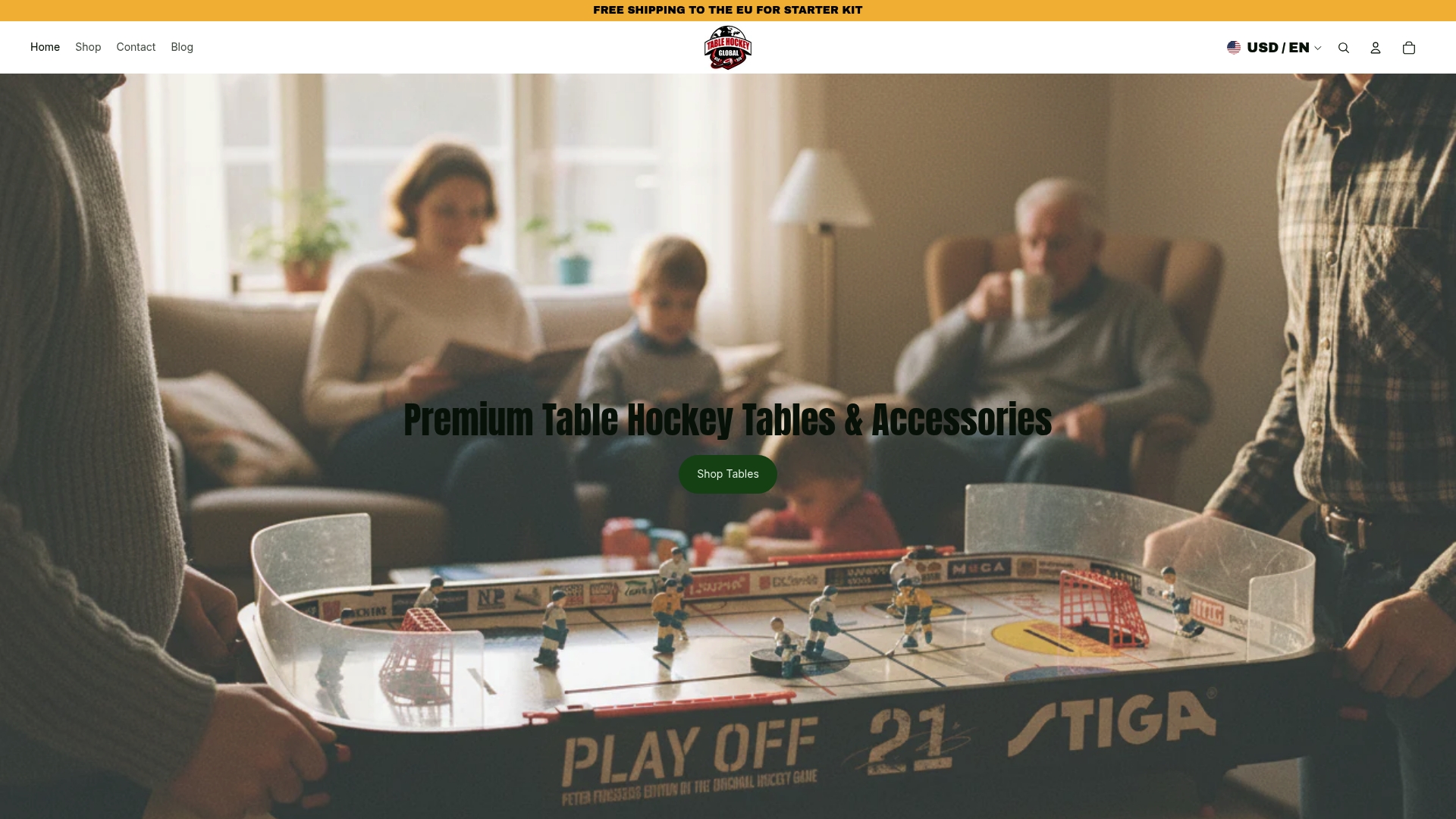
Table Hockey Global connects players, clubs, and resources across the world in one place. Whether you want to find a local club, enter your first tournament, access skill-building guides, or organize your own fundraising event, the platform has the tools and the community to support it. All skill levels are welcome. The global table hockey community is active, growing, and ready for new members. Start by exploring what is available in your region and take the first step toward consistent, rewarding play.
Frequently asked questions
How do I find a table hockey club near me?
Community engagement thrives via open local clubs and social media groups. Check community boards, local social media groups, or Table Hockey Global for updated club directories in your region.
What equipment is used in official table hockey tournaments?
Most official events use standardized Stiga tables, with rod control mechanics and specific rules set by the ITHF to ensure consistent play across all participating countries.
Are there table hockey activities for beginners?
Yes. Local clubs and open play nights welcome beginners at all levels and frequently run skills clinics to help new players learn the basics before entering competitive formats.
How can I participate in online table hockey communities?
Join Facebook groups, forums, or official event platforms to connect with players globally, find organized games, share results, and coordinate virtual or in-person play sessions.
Recommended
- Master advanced table hockey play: skills and strategies 2026 – Table Hockey Global
- Discover table hockey: family fun and global community – Table Hockey Global
- Table hockey statistics guide: players and fans 2026 – Table Hockey Global
- Table hockey team roles: guide for players and fans – Table Hockey Global

Like our articles? Add Table Hockey Global as a preferred source, and Google will show you more of them.