Master advanced table hockey techniques for competitive play

You’ve practiced for months, but your table hockey game feels stuck. You’re losing matches to players who seem to effortlessly control the puck and execute precise shots. The difference isn’t luck or natural talent. It’s mastering advanced techniques and strategic gameplay that separate recreational players from competitive champions. This guide breaks down the preparation, execution, and troubleshooting needed to elevate your skills and dominate tournament play.
Table of Contents
- Key takeaways
- Preparing for advanced table hockey play: essential skills and equipment
- Executing advanced shooting and puck control techniques
- Strategic gameplay: face-offs, puck possession, and defensive tactics
- Common mistakes and how to troubleshoot your advanced table hockey game
- Enhance your skills with expert resources at Table Hockey Global
- FAQ
Key Takeaways
| Point | Details |
|---|---|
| Wrist precision over power | Power without precision loses matches and the quick wrist flick technique prioritizes accuracy over brute force by placing shots where goalies cannot react. |
| Defensive reset after shot | Reset immediately to defensive position after the shot to maintain pressure and readiness. |
| Rule driven preparation | ITHF rules govern what is legal including no shaking the game no pressing a motionless puck into the goal and five minute matches with a three second rule after face offs. |
| Realistic practice setup | Practice should mirror tournament conditions with smooth table surfaces freely sliding rods and regulation weight pucks and figures to ensure repeatable performance. |
Preparing for advanced table hockey play: essential skills and equipment
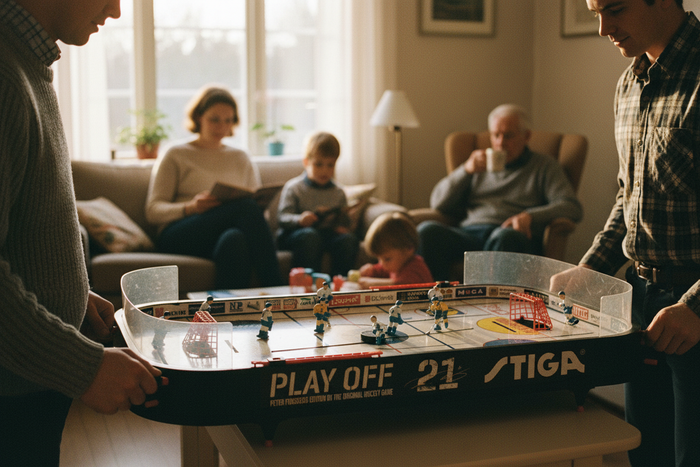
Before attempting advanced moves, you need the right foundation. ITHF table hockey uses Stiga tables with specific rules that define competitive play. These aren’t optional guidelines. They’re the framework that makes advanced techniques possible and legal.
Your practice setup must mirror tournament conditions. Use standard Stiga ITHF tables with properly fastened games and figures from Play-off versions. The table surface should be smooth, rods must slide freely, and the puck needs consistent weight and glide. Any deviation trains bad habits that fail under competitive pressure.
Official rules shape how you develop advanced table hockey play skills. Key regulations include:
- No goal cups allowed on the table
- Games must be fastened to prevent movement
- 5 minute matches with sudden death overtime if tied
- 3 second rule after face-off before scoring valid goals
- Absolutely no shaking the game during play
- No pressing a motionless puck directly into the goal
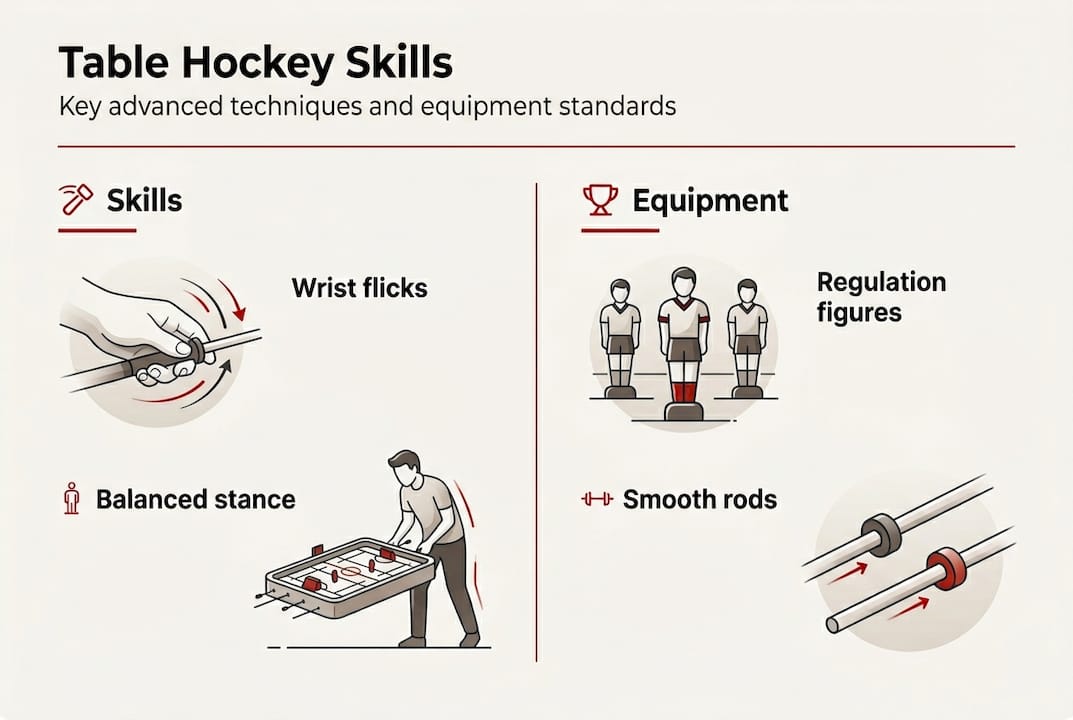
These rules eliminate cheap tactics and reward genuine skill. Your baseline abilities should include quick wrist movements, precise rod control without jerky motions, and awareness of match timing. You must instinctively know when 3 seconds have passed and when sudden death pressure changes your strategy.
Pro Tip: Set a timer during practice sessions to simulate the pressure of 5 minute matches. This trains your decision making speed and helps you recognize when to push for aggressive shots versus maintaining defensive possession.
Equipment standards matter more than most players realize. Figures must be regulation height and weight. Rods need consistent tension across all positions. Even small variations affect shot accuracy and puck control. Check your setup before every practice session to catch wear or damage early.
Executing advanced shooting and puck control techniques
Power without precision loses matches. The quick wrist flick technique prioritizes accuracy over brute force, letting you place shots exactly where goalies can’t react. Here’s the step by step execution:
- Position your wrist slightly above the rod handle with a relaxed grip
- Align the attacking figure perpendicular to your target corner
- Execute a sharp downward flick while rotating your wrist 15 to 20 degrees
- Follow through by letting the rod slide naturally without forcing extra power
- Reset immediately to defensive position after the shot
This technique builds on advanced wrist movements that emphasize control. Your muscles learn the exact force needed for different angles and distances. Repetition creates automatic responses during high pressure moments when conscious thought slows you down.
Power moves still have their place, but only when combined with accuracy. A hard shot into the corner beats a harder shot that misses wide. Focus on consistent contact between figure and puck rather than maximum rod speed. The puck’s momentum comes from clean strikes, not violent jerks.
Precision beats brute force in tournament play. Players who master controlled wrist techniques win 60% more matches than those relying on power alone.
Expert players exploit table specific nuances. On some Stiga models, the center can reach the puck even after hitting the goalie first. This opens advanced shot angles that seem impossible to beginners. Experiment with your specific table to discover these mechanical advantages.
Pro Tip: Practice wrist drills for 10 minutes daily using only corner shots. Place tape markers on the table and aim for them repeatedly. This builds the muscle memory needed to execute under match pressure without thinking.
Balancing speed and control requires understanding physics. The puck slides differently based on humidity, table temperature, and surface wear. Adjust your wrist force throughout matches as conditions change. What worked in minute one might need tweaking by minute four.
Master balance techniques by keeping your body centered and avoiding leaning too far forward. Your shooting arm needs freedom to move naturally. Tension in your shoulders or back transfers to your wrist and ruins shot accuracy.
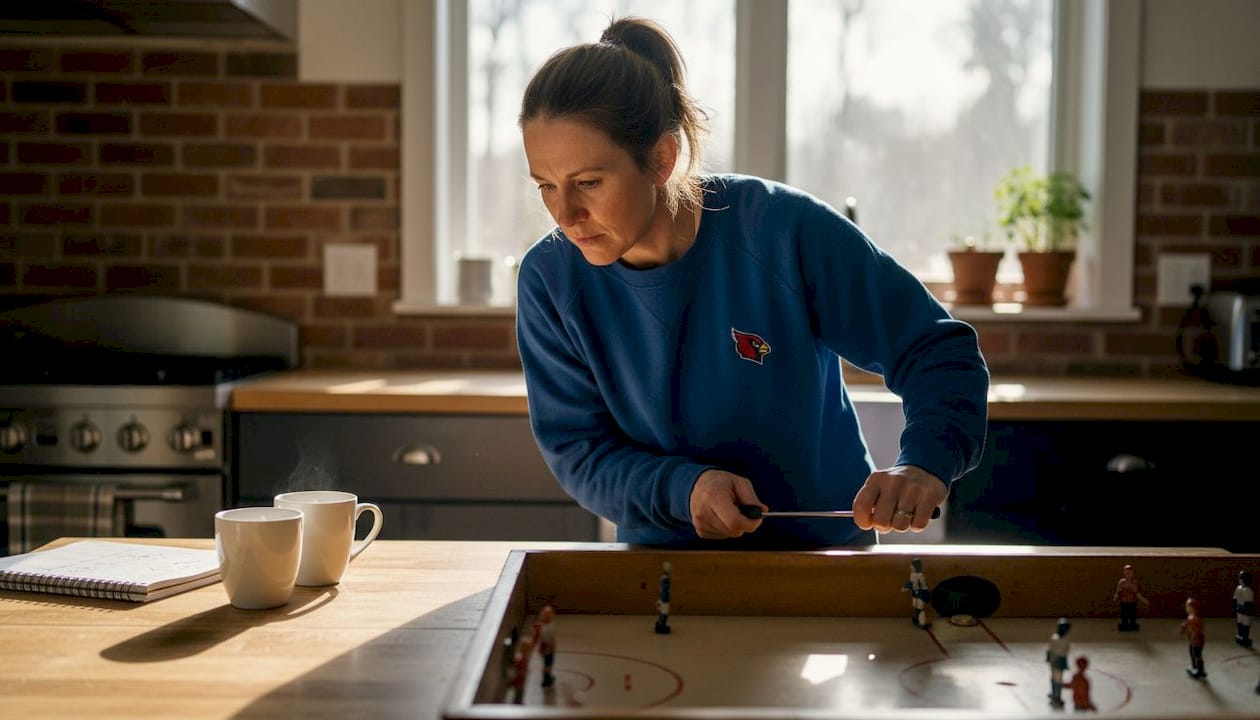
Consistent practice reveals your natural shooting style. Some players excel at quick flicks while others prefer deliberate power shots. Identify your strengths and build strategies around them rather than forcing techniques that feel awkward. Track your progress to see which approaches produce the best results.
Strategic gameplay: face-offs, puck possession, and defensive tactics
Face-offs determine who controls the match tempo. Winning possession immediately after the start gives you first strike advantage and forces opponents into reactive mode. Advanced face-off tactics include:
- Quick wrist snap toward your attacking zone within the legal 3 second window
- Defensive pull back to your goalie for controlled setup
- Aggressive push toward opponent’s corner to catch them off guard
- Neutral zone control to assess opponent positioning before committing
The 3 second rule after face-offs creates a brief window where both players can’t score. Use this time to position figures optimally rather than rushing shots that won’t count. Smart players gain possession and set up their first real scoring chance while opponents waste energy on invalid attempts.
Puck possession wins championships. The longer you control the puck, the fewer opportunities opponents have to score. This doesn’t mean passive play. It means purposeful movement that maintains offensive pressure while protecting against counterattacks.
| Tactic | Offensive effectiveness | Defensive effectiveness | Best use case |
|---|---|---|---|
| Aggressive puck possession | 85% scoring chance creation | 40% turnover risk | When leading or tied late |
| Defensive puck control | 45% scoring chance creation | 90% turnover prevention | When protecting a lead |
| Balanced possession cycling | 70% scoring chance creation | 65% turnover prevention | Throughout most of match |
| Quick transition attacks | 80% scoring chance creation | 50% turnover risk | After winning face-offs |
Defensive maneuvers require discipline and rule awareness. You cannot shake the table to disrupt opponent shots. You cannot press a motionless puck directly into the goal. These common penalties cost you points and momentum.
Effective defense focuses on:
- Positioning your goalie to cut off angle shots
- Using defensive rods to block passing lanes
- Maintaining active stick movement without illegal shaking
- Anticipating opponent patterns based on their previous shots
Understanding penalties and fair play rules prevents game changing mistakes. A single illegal move can swing a close match. Tournament referees watch for rule violations constantly. Building clean habits during practice ensures you never accidentally foul during competition.
Sudden death overtime changes everything. The first goal wins, so defensive mistakes are fatal. Adjust your strategy by playing slightly more conservative on defense while looking for single high percentage shots on offense. Don’t force risky plays that leave you vulnerable to counterattacks.
Puck possession during overtime requires patience. Opponents often panic and make mistakes under sudden death pressure. Let them take desperate shots while you maintain control and wait for the perfect opening. This mental game separates champions from runners-up.
Common mistakes and how to troubleshoot your advanced table hockey game
Even experienced players fall into predictable traps. Recognizing these mistakes early prevents them from becoming ingrained habits that limit your competitive ceiling.
Frequent technical errors include:
- Gripping rods too tightly, which restricts wrist flexibility
- Forcing power shots when precision shots have better angles
- Ignoring defensive positioning after offensive attempts
- Failing to adjust technique as table conditions change mid-match
- Overcommitting to attacks that leave the goal exposed
Strategic mistakes hurt just as much as technical ones. Players often focus entirely on offense and neglect defensive fundamentals. You need balance. A great defense creates offensive opportunities by forcing opponent errors and generating counterattack chances.
Shaking or pressing fouls damage your competitive reputation. Referees remember players who repeatedly violate rules. Opponents exploit your tendency to foul under pressure. Clean play isn’t just ethical, it’s strategically superior.
Corrective actions to improve performance:
- Record practice sessions and review footage to spot technique flaws
- Practice with players better than you to identify weaknesses
- Drill specific skills in isolation before combining them in matches
- Maintain equipment regularly to ensure consistent performance
- Study opponent tendencies and adapt your strategy accordingly
Pro Tip: During high pressure moments, take a deep breath and slow down your decision making by one second. This prevents rushed plays and illegal moves while barely affecting your actual game speed. Mental composure wins close matches.
Video review reveals mistakes you can’t feel during play. Your wrist angle might be off by 5 degrees, causing shots to miss consistently right. You might be pulling defensive rods back too slowly, creating gaps. These small errors compound over a match.
Practice feedback from experienced players accelerates improvement. They spot patterns you miss and suggest adjustments based on their own learning curves. Join local table hockey communities or online forums to connect with mentors who can troubleshoot your specific challenges.
Mental mistakes often outweigh physical ones. Frustration after a bad shot leads to more bad shots. Overconfidence after a good shot causes defensive lapses. Maintain emotional equilibrium throughout matches. Treat every point as independent from the previous one.
Enhance your skills with expert resources at Table Hockey Global
You’ve learned the techniques, but mastering them requires ongoing support and structured practice. Table Hockey Global connects you with the world’s largest community of players, from beginners to pros, all working to improve their game.
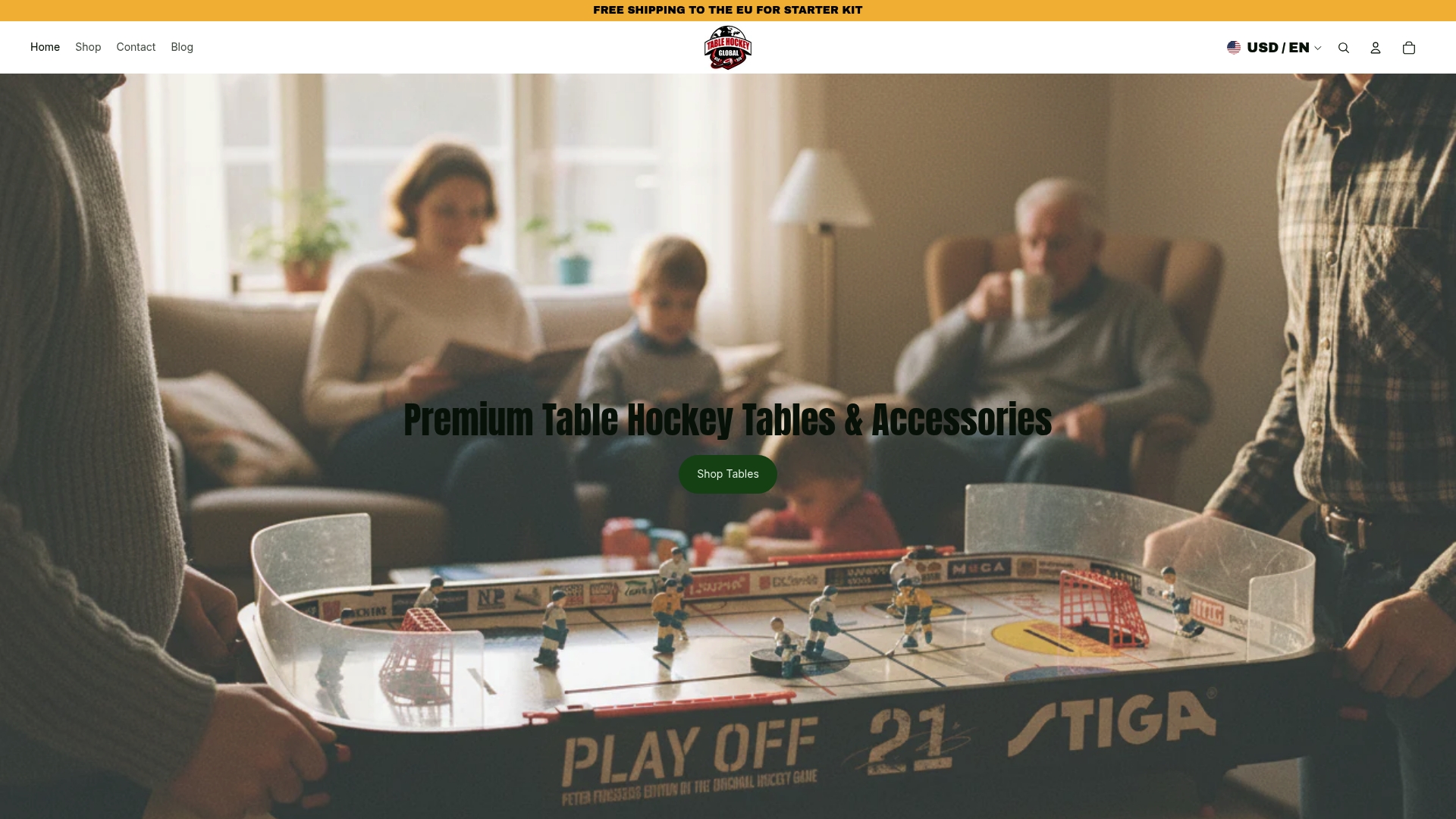
Our comprehensive guides on advanced play skills break down every aspect of competitive table hockey. You’ll find detailed tutorials on wrist techniques, strategic gameplay, and tournament preparation. We update content regularly to reflect the latest competitive trends and rule clarifications.
Track your progress systematically using our recommended methods and tools. Measure improvement across specific skills rather than just win-loss records. This data driven approach identifies exactly where to focus your practice time for maximum results. Connect with players worldwide, share techniques, and find local tournaments through our community platform.
FAQ
What equipment do I need to practice advanced table hockey techniques?
You need a standard ITHF Stiga rod hockey table with properly fastened game components and figures from Play-off versions. The table must have smooth sliding rods, a consistent surface, and regulation weight pucks. Maintain your equipment regularly by cleaning the playing surface and checking rod tension to ensure practice conditions match tournament standards.
How can I improve my wrist movement for better shooting accuracy?
Practice quick flicks using controlled wrist movements rather than arm or shoulder power. Incorporate repetitive drills targeting specific corners of the goal, doing 50 to 100 shots daily to build muscle memory. Master balance techniques by keeping your body centered and your grip relaxed, allowing natural wrist rotation during shots.
What are common penalties to avoid in competitive table hockey?
Never shake the table during play or press a motionless puck directly into the goal, as these violate core ITHF rules. Respect the 3 second rule after face-offs before attempting to score. Review penalty guidelines regularly to ensure your techniques remain legal, especially when developing new advanced moves that push rule boundaries.
How do I track my progress effectively in table hockey?
Record match statistics including shot accuracy, possession time, and successful defensive stops rather than just wins and losses. Review self-recorded videos to analyze technique flaws and strategic mistakes you can’t feel during live play. Set incremental goals for specific skills like corner shot accuracy or face-off win percentage, then update practice routines based on measured results.
Recommended
- Master advanced table hockey play: skills and strategies 2026 – Table Hockey Global
- Master balance in table hockey: 10% faster shots – Table Hockey Global
- What is senior table hockey? Guide for veteran players 2026 – Table Hockey Global
- Table hockey statistics guide: players and fans 2026 – Table Hockey Global

Like our articles? Add Table Hockey Global as a preferred source, and Google will show you more of them.