Master balance in table hockey: 10% faster shots
Most players think balance in table hockey is just about standing steady. That’s only half the story. True balance combines physical stability with mental sharpness, affecting everything from shot power to defensive positioning. Mastering this skill can increase your shot speed by 10% and improve accuracy by 12%. This guide breaks down the techniques that transform good players into great ones, covering stance, grip, center of gravity, and the mental focus that ties it all together.
Table of Contents
- Understanding Balance: More Than Physical Stability
- Physical Techniques To Enhance Balance And Control
- The Finger Grip Versus Fist Grip: Impact On Balance And Shot Performance
- Optimizing Stance And Footwork For Dynamic Balance
- Applying Balance Skills To Enhance Offensive And Defensive Play
- Enhance Your Game With Expert-Approved Table Hockey Kits
- What Is The Most Important Aspect Of Balance In Table Hockey?
- How Does The Finger Grip Improve Balance And Gameplay?
- What Stance Should I Use To Maintain Balance During Fast Moves?
- Can Mental Focus Really Affect Physical Balance In Table Hockey?
Key takeaways
| Point | Details |
|---|---|
| Balance drives performance | Proper balance increases shot power by 10% and accuracy by 12% while enhancing defensive agility. |
| Finger grip wins | The finger grip technique improves wrist control and shot speed compared to the traditional fist grip. |
| Stance matters | A balanced stance with bent knees enables quick lateral movement and superior puck control. |
| Center of gravity is key | Managing your center of gravity ensures stability and faster reaction times during play. |
| Mind and body unite | Mental focus complements physical balance for consistent peak performance in competitive matches. |
Understanding balance: more than physical stability
Balance isn’t just about staying upright. It encompasses your ability to anticipate moves, maintain concentration under pressure, and react instantly to your opponent’s actions. Physical positioning provides the foundation, but mental readiness makes the difference between reacting and predicting. Table hockey mental aspects reveals how cognitive skills directly impact gameplay success.
Your reaction time and decision quality depend on how well you integrate these elements. A player with perfect posture but wandering focus will miss opportunities. Conversely, sharp mental awareness without stable footing leads to fumbled shots and defensive gaps. Advanced players recognize balance as dynamic readiness to move in any direction while maintaining full control.
“Balance is not a static position but a constant state of readiness. The best players can shift their weight, adjust their stance, and change direction without losing control or power.”
Holistic balance components include:
- Physical stance and weight distribution
- Mental anticipation and focus
- Wrist flexibility and grip control
- Core stability for rapid adjustments
- Visual tracking of puck and opponent movements
This comprehensive approach to balance transforms how you experience the game. Research on child development shows that spatial awareness and motor control improve when players train both mental and physical aspects simultaneously.
Physical techniques to enhance balance and control
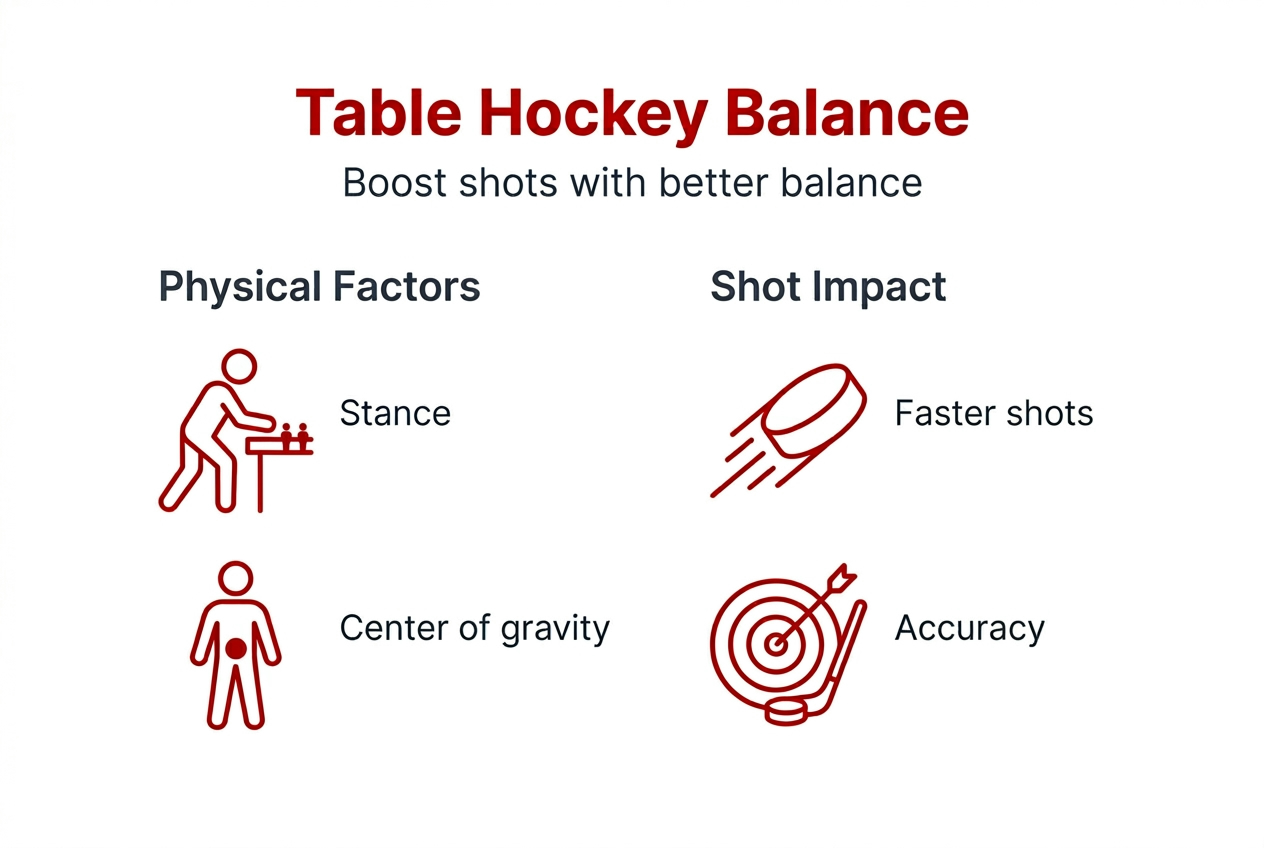
Your stance forms the foundation of effective balance. Start with knees slightly bent, creating a lower center of gravity that allows quick directional changes. Position your weight on the balls of your feet rather than your heels, enabling instant lateral movement. This athletic ready position mirrors techniques used across sports, from tennis to basketball.
Center of gravity positioning determines how quickly you can adjust to sudden plays. Keep your torso centered over your feet, avoiding leaning too far forward or backward. This neutral alignment lets you shift weight smoothly when executing shots or defending against attacks. Balance in air hockey demonstrates these principles apply across similar fast-paced games.
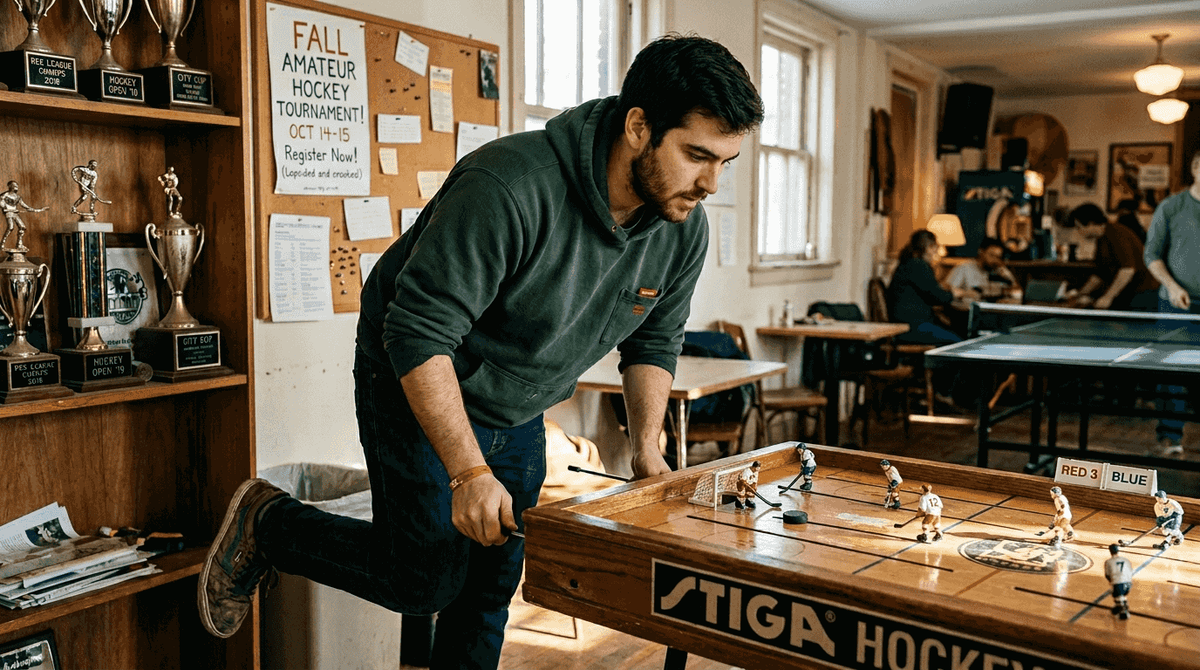
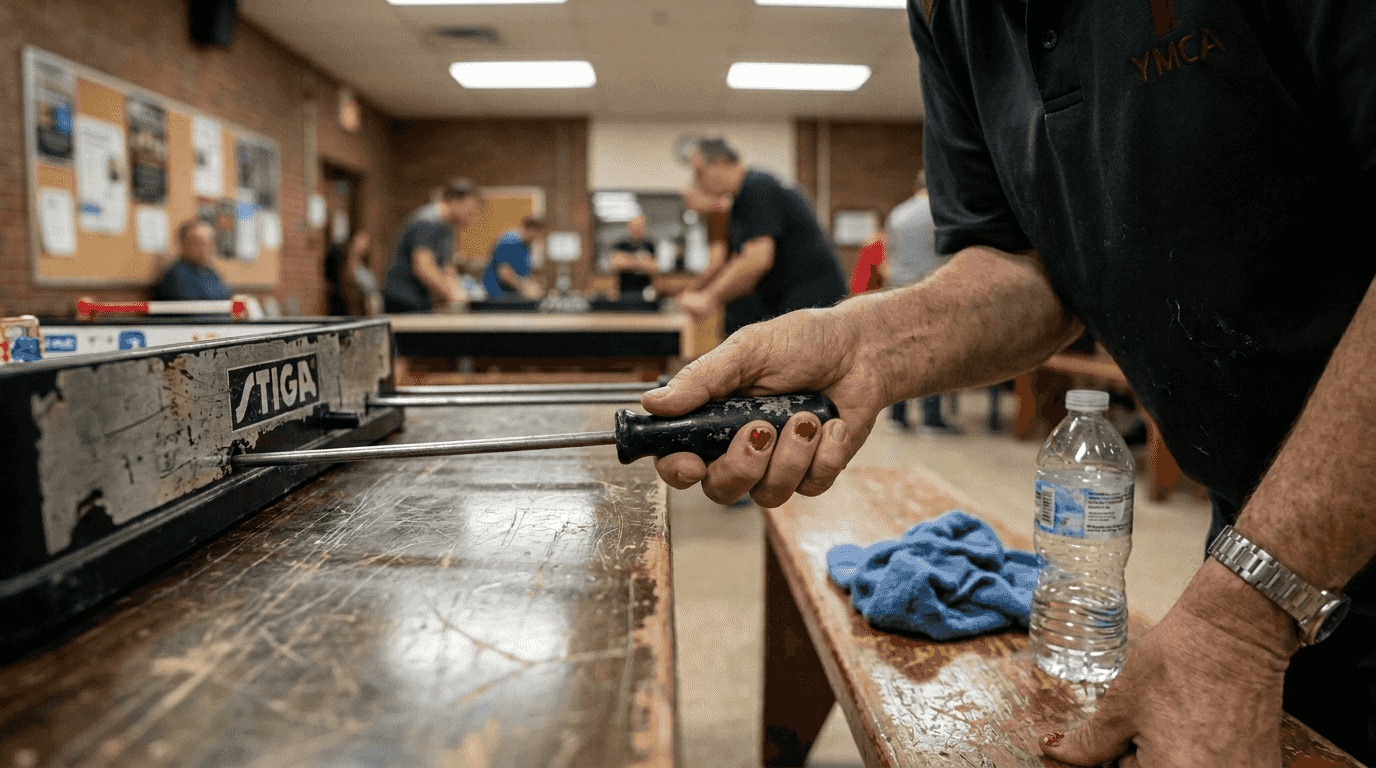
The finger grip technique revolutionizes wrist control. Instead of gripping the handle with your entire fist, position your fingers around the grip with your thumb on top. This looser hold allows your wrist to rotate freely, generating the snap needed for powerful, deceptive shots. Players transitioning from fist to finger grip often report an immediate improvement in shot variety.
| Technique | Shot Speed Increase | Accuracy Improvement | Balance Impact |
|---|---|---|---|
| Finger Grip | 10% faster | 12% more accurate | High wrist flexibility |
| Fist Grip | Baseline | Baseline | Limited wrist movement |
| Balanced Stance | N/A | 8% improvement | Enhanced lateral coverage |
Pro Tip: Practice the finger grip during casual games first. The increased control feels unfamiliar initially, but within a few sessions, the enhanced wrist snap becomes natural and your shot repertoire expands dramatically.
These physical elements work together. Your stance provides stability, your center of gravity enables quick reactions, and your grip delivers the control needed for precise execution. Explore more about proper table hockey stance to refine your positioning. For equipment that supports these techniques, check Stiga balance tips for table-specific guidance.
The finger grip versus fist grip: impact on balance and shot performance
The fist grip wraps all fingers tightly around the handle, creating a rigid connection between hand and rod. While this feels secure, it severely restricts wrist rotation. Your shots become predictable, relying mainly on arm movement rather than the quick wrist snap that generates speed and deception.
Finger grip mechanics change everything. By holding the grip lightly with your fingers and positioning your thumb on top, you unlock full wrist mobility. This allows you to flick shots with minimal telegraphing, keeping opponents guessing. The lighter touch also reduces hand fatigue during extended play sessions.
| Grip Style | Wrist Rotation | Shot Deception | Power Generation | Learning Curve |
|---|---|---|---|---|
| Fist Grip | Minimal | Low | Arm-dependent | Easy |
| Finger Grip | Full range | High | Wrist snap | Moderate |
Data shows players using finger grip achieve 10% higher shot speed and 12% better accuracy. These improvements stem from the explosive wrist action unavailable with fist gripping. The finger grip also enhances balance by keeping your arm relaxed, preventing the tension that throws off your center of gravity.
Pro Tip: Transition gradually by using finger grip for passing and defense first, then incorporate it into your shooting as comfort builds. This staged approach prevents the loss of control that discourages many players from making the switch.
The finger grip unlocks advanced techniques like drag shots, quick releases, and angle changes mid-swing. These moves require the wrist flexibility that only a loose, finger-based hold provides. Discover more about finger grip benefits and how top players integrate this technique into championship-level play.
Optimizing stance and footwork for dynamic balance
Achieving optimal stance requires deliberate positioning:
- Bend your knees to lower your center of gravity
- Distribute weight evenly across both feet initially
- Shift weight to the balls of your feet for quick movement
- Position feet shoulder-width apart for stability
- Keep your back straight but not rigid
- Align your hips over your feet to maintain balance
Weight on the balls of your feet enables rapid side-to-side movement. Heel-heavy positioning anchors you, creating lag time when you need to react. This forward weight distribution acts like a coiled spring, ready to release energy in any direction.
| Stance Element | Coverage Area Increase | Defensive Reach | Shot Power Transfer |
|---|---|---|---|
| Balanced Stance | 15% more coverage | 20% greater reach | 90% efficiency |
| Poor Stance | Baseline | Baseline | 65% efficiency |
Power transfer for shooting depends on your stance. A stable base lets you push through shots with your legs and core, not just your arms. This full-body engagement generates significantly more force while maintaining accuracy. Players with proper stance consistently deliver harder shots with less effort.
Common stance mistakes include:
- Standing too upright, reducing mobility
- Positioning feet too close together, limiting stability
- Locking knees, preventing quick adjustments
- Leaning too far forward, compromising balance
Foot placement refinement comes through practice and awareness. Film yourself playing or ask a teammate to observe your stance during matches. Small adjustments in foot angle or weight distribution often yield immediate improvements. Resources on balance drills for kids offer exercises applicable to players of all ages. Additional kids balance practice techniques translate well to adult skill development.
Applying balance skills to enhance offensive and defensive play
Balance in table hockey directly impacts shot accuracy and power. A stable base allows you to follow through completely without losing control. Your shots become more consistent because your body position remains reliable throughout the motion. This consistency translates to higher scoring percentages and better puck placement.
Defensive positioning benefits enormously from proper center of gravity management. When your weight distribution stays balanced, you can mirror your opponent’s movements without overcommitting. This defensive patience forces opponents into lower-percentage shots while keeping you ready to counter-attack. Quick lateral shifts from a balanced stance shut down passing lanes and angle shots.
Puck control improvements emerge from the combination of wrist flexibility and stance stability. You can receive passes smoothly, trap the puck confidently, and transition instantly between defense and offense. The balanced player controls the tempo, dictating when to slow play down or accelerate into attacks.
Practical drills for enhancing in-game balance:
- Practice weight shifts without the puck to build muscle memory
- Execute shots from different foot positions to understand power transfer
- Defend against varied attack angles to test lateral movement
- Combine grip changes with stance adjustments during drills
- Record matches to identify balance breakdowns under pressure
Expert players make dynamic adjustments constantly. They read the game flow and modify their stance depth, grip pressure, and weight distribution based on whether they’re attacking or defending. This fluid adaptation separates competent players from dominant ones. The ability to shift seamlessly between aggressive offensive posture and patient defensive balance creates unpredictability that opponents struggle to counter.
Enhance your game with expert-approved table hockey kits
Ready to transform your balance skills into winning performance? Quality equipment makes a tangible difference.
Table Hockey Global offers table hockey kits designed for every skill level, from beginners building foundational techniques to experts refining championship-caliber play. Our tables feature smooth surfaces and responsive rods that reward proper balance and technique. When your equipment supports correct form, improvement accelerates naturally.
Our community provides expert guidance beyond equipment. Connect with players worldwide who share drills, technique tips, and balance strategies that elevate your game. Whether you’re mastering the finger grip or perfecting your defensive stance, you’ll find resources and support at Table Hockey Global. Join thousands of players who’ve discovered that better balance leads to better results.
What is the most important aspect of balance in table hockey?
Both physical posture and mental focus form the foundation of effective balance. Your stance, grip, and center of gravity provide the physical framework, while mental concentration and anticipation allow you to adjust dynamically. Neither component works effectively without the other. Balance directly impacts shot accuracy by providing a stable platform for consistent execution and enhances defensive agility through quick lateral movement capability.
How does the finger grip improve balance and gameplay?
The finger grip enhances wrist flexibility, enabling the quick snap needed for powerful, deceptive shots. This looser hold reduces arm tension, helping maintain your center of gravity during rapid movements. Research shows finger grip users achieve 10% faster shot speed and 12% better accuracy compared to fist grip players.
What stance should I use to maintain balance during fast moves?
Use a stance with knees bent and weight positioned on the balls of your feet rather than your heels. This athletic ready position enables quick lateral movement in any direction. Keep feet shoulder-width apart for stability while maintaining a straight but flexible back to support rapid adjustments during both offensive attacks and defensive maneuvers.
Can mental focus really affect physical balance in table hockey?
Mental focus sharpens reaction time and enables dynamic balance adjustments during play. Anticipation helps you maintain proper posture under pressure by predicting opponent moves before they happen. This cognitive element allows you to shift weight, adjust stance, and modify grip pressure proactively rather than reactively, giving you a decisive advantage in fast-paced exchanges.
Recommended
- Table Hockey in Europe: Your Guide to the Thriving Scene – Table Hockey Global
- Why Table Hockey is a Game-Changer for Your Kid’s Brain and Skills – Table Hockey Global
- Why Table Hockey is a Game-Changer for Child Development: Backed by Re – Table Hockey Global
- Screen-Free Wins: How Table Hockey Boosts Kids’ Social and Development – Table Hockey Global

Like our articles? Add Table Hockey Global as a preferred source, and Google will show you more of them.