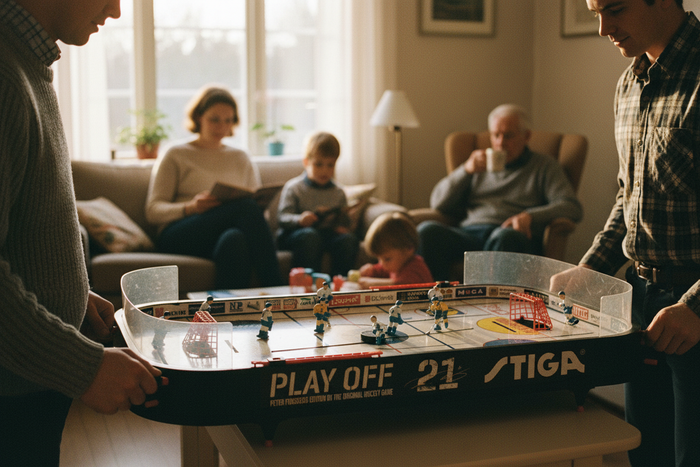
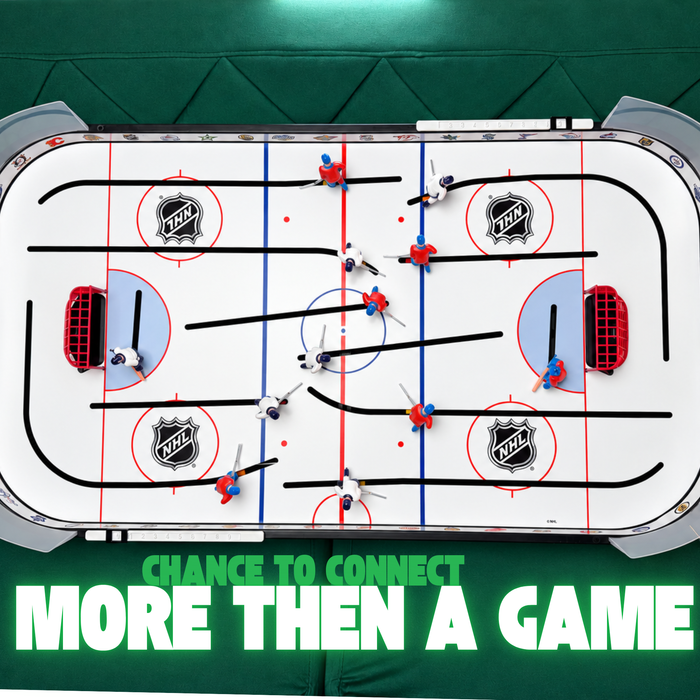
Sustainable table hockey: eco-friendly play guide 2026
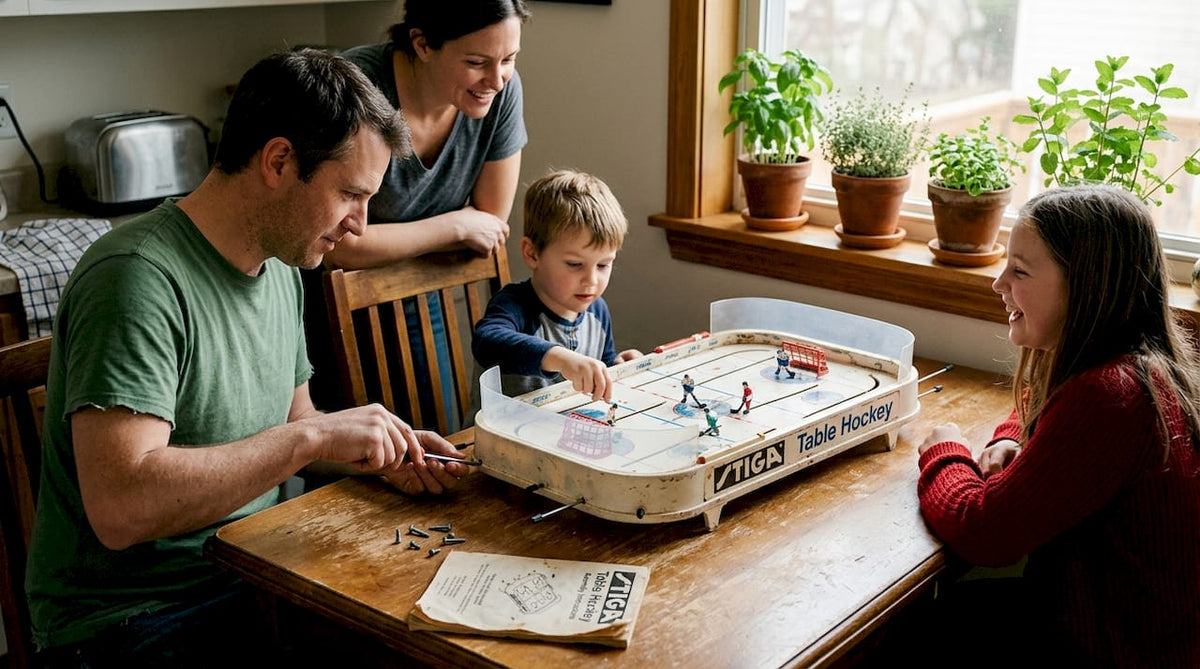
Most table hockey enthusiasts assume their beloved game tables are destined for landfills once the rink warps or rods stick. This misconception overlooks a thriving community of players who refurbish, reuse, and recycle equipment to extend gameplay for decades. Sustainable table hockey transforms what seems like disposable plastic into a long-term investment that benefits your wallet, teaches children environmental responsibility, and keeps perfectly functional games out of waste streams. This guide reveals practical techniques for maintaining equipment, sourcing eco-friendly products, and joining a movement that proves quality tabletop gaming and sustainability go hand in hand.
Table of Contents
- Understanding Sustainable Table Hockey: What It Means And Why It Matters
- Practical Methods For Refurbishing And Reusing Table Hockey Equipment
- Comparing Sustainable And Conventional Table Hockey Products And Manufacturers
- How Sustainable Table Hockey Benefits Players, Families, And The Environment
- Explore More About Table Hockey And Sustainability At Table Hockey Global
Key takeaways
| Point | Details |
|---|---|
| Equipment longevity | Stiga tables feature modular designs enabling repairs instead of replacement, extending lifespan indefinitely |
| DIY refurbishment | Posterboard reinforcement and plexiglass sides restore damaged tables using common recyclable materials |
| Eco-friendly products | Wooden tables from manufacturers like Hape use safe lacquers and recycled content with solar production |
| Community impact | Donating used equipment to schools and social programs gives tables second lives while teaching sustainability |
| Cost savings | Replacement parts cost 60-80% less than new tables while reducing environmental footprint |
Understanding sustainable table hockey: what it means and why it matters
Sustainable table hockey refers to eco-friendly practices in rod table hockey focusing on reusing, refurbishing, and recycling equipment rather than discarding worn games. This approach stands in sharp contrast to disposable sports toys that flood landfills after brief use. The table hockey community has evolved beyond simply playing the game to championing practices that extend equipment lifespan through repairs, part replacements, and creative reuse of materials.
The environmental stakes are significant when you consider the composition of typical table hockey equipment:
- Plastic components including rinks, player figures, and housing that take centuries to decompose
- Metal rods and gears that require energy-intensive mining and manufacturing processes
- Packaging materials and shipping emissions from replacement purchases
- Electronic scoreboards in modern tables containing batteries and circuit boards
Stiga’s design philosophy directly supports sustainability by engineering tables with replaceable components. Unlike cheaper alternatives that become useless when one part fails, Stiga tables allow you to swap out damaged rinks, worn rods, or broken players individually. This modular approach means a table purchased in 2000 can still deliver tournament-quality play in 2026 with periodic maintenance and part upgrades.
Sustainable table hockey raises awareness among enthusiasts and families about reducing waste in recreational activities. When parents involve children in refurbishing a damaged table, they demonstrate tangible lessons about resource conservation that extend beyond the game itself. The practice connects directly to broader environmental goals while maintaining the competitive spirit and skill development that make advanced table hockey play so engaging for serious players.
The movement also challenges the throwaway culture surrounding plastic toys. A well-maintained table hockey game becomes a family heirloom passed between generations, accumulating memories and skills rather than contributing to mounting plastic waste. This shift in perspective transforms how players value their equipment and approach the hobby with long-term thinking.
Practical methods for refurbishing and reusing table hockey equipment
Refurbishing old table hockey equipment requires systematic approaches that balance cost effectiveness with performance improvement. The following step-by-step process transforms damaged tables into competition-ready games:
- Assess structural damage by checking rink flatness, rod alignment, and gear function
- Reinforce warped ice sheets by gluing posterboard or thin cardboard underneath for rigidity
- Replace cracked plexiglass sides with new sheets cut to size from hardware stores
- Lubricate sticky gears and rods using silicone spray or specialized polymer wax
- Clean player figures and rink surface with mild soap to restore smooth puck movement
- Test all components before reassembly to ensure proper function
Buying replacement parts instead of new tables makes economic and environmental sense. Stiga Table Hockey manufacturers offer individual rinks, rod sets, and player teams that cost a fraction of complete table prices. This parts-based approach keeps functional components in use while upgrading only what needs replacement.
| Factor | Refurbishing existing table | Buying new table |
|---|---|---|
| Average cost | $40-80 for parts and materials | $200-400 for quality table |
| Environmental impact | Minimal new materials, reuses 70-90% of components | Full manufacturing footprint, packaging waste |
| Lifespan extension | Adds 5-10 years of play | Starts new lifecycle |
| Skill development | Teaches repair and sustainability | No educational component |
| Performance quality | Matches or exceeds with proper technique | Guaranteed consistency |
Polymer wax improves playability as a sustainable fix rather than replacing entire table tops. This specialized lubricant fills microscopic scratches in playing surfaces, creating smoother puck glide without the waste of manufacturing new rinks. The application takes minutes and costs less than $15, yet delivers performance improvements comparable to brand new surfaces.
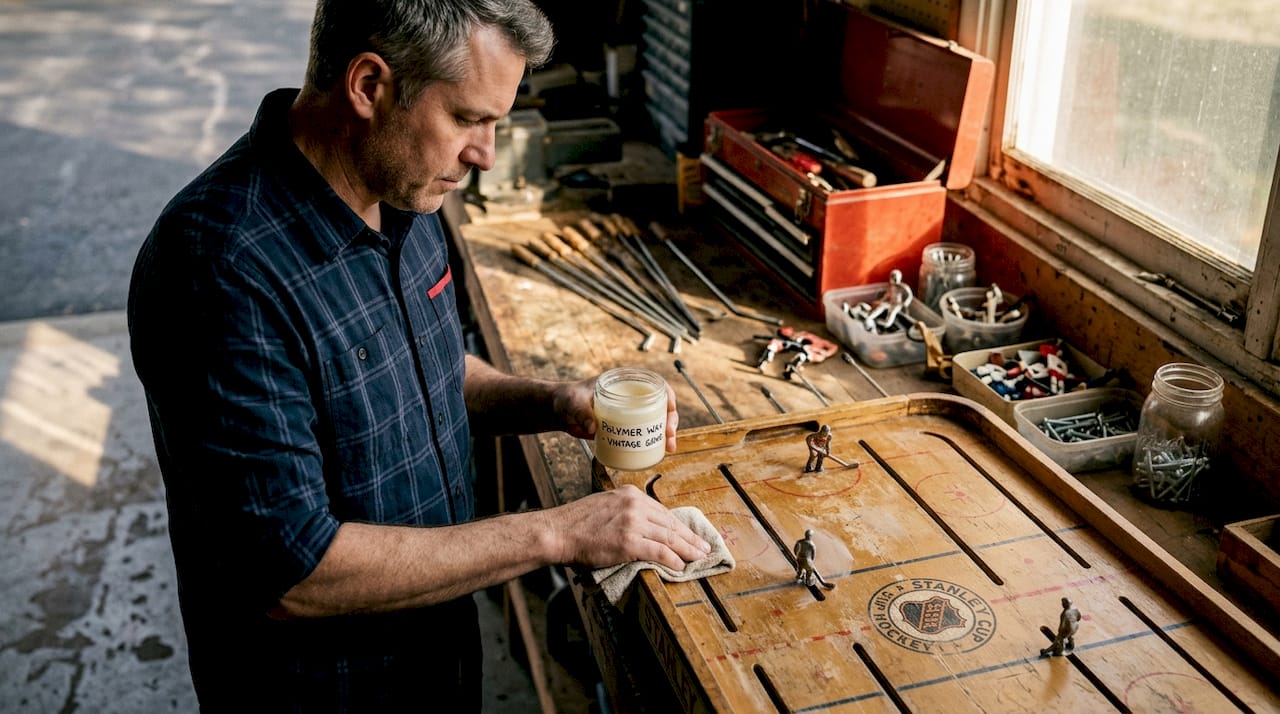
Pro Tip: Collect used parts from online marketplaces, yard sales, and community groups to build a repair inventory. Many sellers offer damaged tables for $10-20 that contain perfectly functional rods, players, or scoreboards you can harvest for future repairs.
DIY reuse of household recyclables teaches children sustainability while reducing waste. Cardboard box sides become custom rink reinforcements, old plastic containers transform into puck storage, and fabric scraps create protective table covers. These projects turn abstract environmental concepts into hands-on lessons that children remember far better than lectures about recycling.
Comparing sustainable and conventional table hockey products and manufacturers
Different manufacturers approach sustainability with varying commitments to eco-friendly materials and production methods. Understanding these differences helps you make informed purchases that align with environmental values:
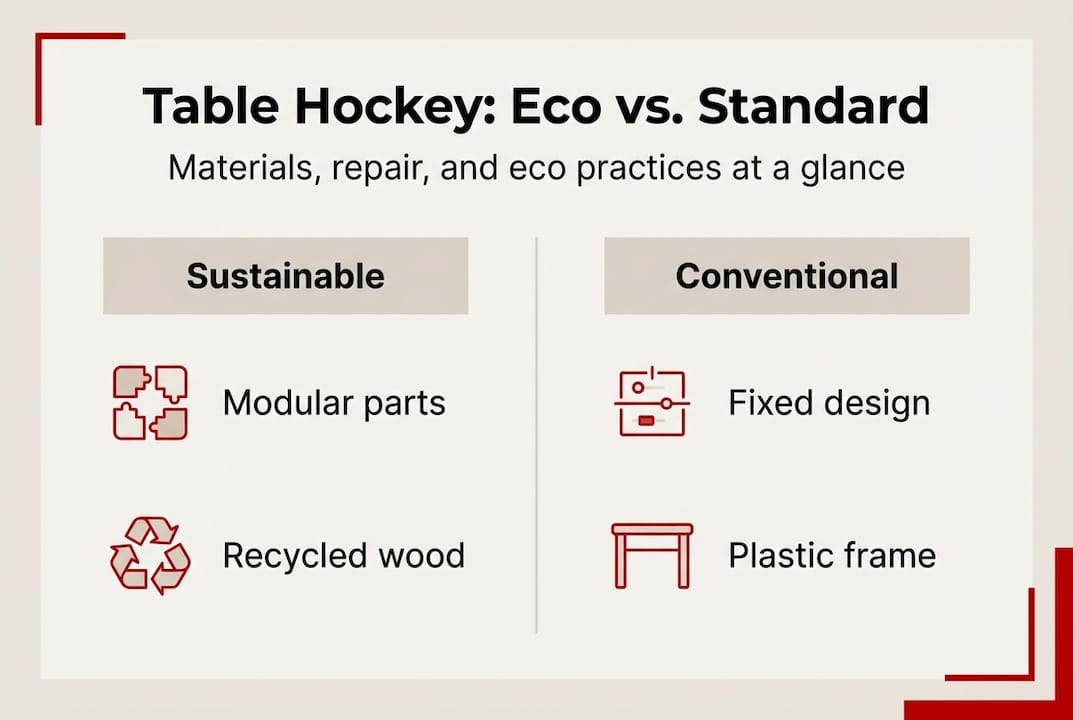
| Brand | Primary materials | Repairability | Recyclability | Production practices |
|---|---|---|---|---|
| Stiga | ABS plastic, metal rods | Excellent with replacement parts | Plastic components recyclable | Standard manufacturing |
| Hape | Sustainable wood, water-based lacquer | Good for wooden components | Fully recyclable materials | Uses renewable energy |
| Heemskerk | Formaldehyde-free MDF | Moderate with some parts | High recyclability | Solar-powered facilities |
| Generic brands | Mixed plastics, lower quality metals | Poor, often non-replaceable | Limited due to mixed materials | Conventional production |
Plastic versus wooden table hockey tables present distinct sustainability trade-offs. Plastic tables like Stiga offer superior durability and weather resistance, meaning they last longer before needing replacement. However, wooden table hockey uses safe lacquers and recycled materials with lower initial environmental impact. Wooden options biodegrade naturally at end of life, while plastic tables require specialized recycling facilities.
When evaluating eco-conscious table hockey products, prioritize these features:
- Modular construction allowing individual part replacement rather than full table disposal
- Manufacturer commitment to replacement part availability for 10+ years
- Use of recycled content in plastic components or sustainably harvested wood
- Non-toxic finishes and adhesives safe for children and environment
- Minimal packaging using recyclable materials rather than styrofoam and excessive plastic
- Clear recycling instructions for end-of-life disposal
Pro Tip: Prioritize brands with modular designs and renewable energy manufacturing to maximize your environmental impact reduction. A slightly higher upfront cost pays dividends through decades of use and easier repairs.
Heemskerk employs formaldehyde-free MDF and solar-powered production, setting industry standards for sustainable manufacturing. Their commitment extends beyond materials to energy sources, reducing carbon footprint throughout the production cycle. While these tables cost more initially, the environmental benefits and build quality justify the investment for eco-conscious families.
Availability of recycled content, non-toxic finishes, and replacement parts should guide purchasing decisions. Check manufacturer websites for sustainability reports and part catalogs before buying. Companies truly committed to environmental responsibility make this information readily accessible and back it with concrete policies like buyback programs for old equipment.
How sustainable table hockey benefits players, families, and the environment
Adopting sustainable table hockey practices delivers measurable advantages across financial, educational, and environmental dimensions. These benefits compound over time as players develop deeper appreciation for equipment care and resource conservation.
Financial savings accumulate significantly when repairing instead of replacing equipment:
- Replacement rinks cost $30-50 versus $200+ for new tables
- Individual player sets run $8-15 compared to full table purchases
- DIY repairs using household materials add negligible expense
- Extended equipment lifespan spreads initial investment over 15-20 years instead of 3-5 years
- Reduced shipping costs from buying fewer complete tables
Educational benefits emerge when involving children in DIY repairs teaching sustainability concepts. Kids learn mechanical principles by understanding how rods, gears, and springs interact. They develop problem-solving skills diagnosing issues and testing solutions. Most importantly, they internalize environmental responsibility through direct experience rather than abstract instruction. These lessons transfer to other areas of life, shaping consumption habits and resource awareness.
Enhanced gameplay quality from refurbishment leads to better sports experiences. A properly maintained vintage Stiga table often outperforms new budget models because the original engineering prioritized durability and precision. Refurbished tables with reinforced rinks provide flatter playing surfaces than warped new tables. Fresh lubrication on old rods creates smoother action than sticky new mechanisms that haven’t been properly broken in.
Environmental benefits include less waste, reduced resource consumption, and lower carbon footprint. Consider that manufacturing a single plastic table hockey game generates approximately 15-20 pounds of plastic waste from production scraps and packaging. Extending one table’s life by 10 years through repairs prevents this waste multiplication. The energy savings from avoiding new production, shipping, and retail distribution further reduce environmental impact.
Stiga’s modular design enables indefinite repairs, outperforming disposable toys and encouraging continued play across generations. This engineering philosophy transforms what could be temporary entertainment into lasting family traditions.
The ripple effects extend beyond individual households. When schools receive donated refurbished tables, students from lower-income families access quality recreational equipment they might never afford new. Social programs benefit from games that teach coordination and strategy while modeling environmental stewardship. Tournament organizers reduce event costs by accepting well-maintained used tables, making competitive play more accessible.
Sustainable practices also preserve the cultural heritage of table hockey. Vintage tables from the 1970s and 1980s represent peak craftsmanship that modern budget production rarely matches. Keeping these classics in circulation maintains connection to the sport’s history while demonstrating that quality design transcends planned obsolescence. Players develop appreciation for engineering excellence that prioritizes longevity over quick profits.
Explore more about table hockey and sustainability at Table Hockey Global
Ready to transform your approach to table hockey equipment and join a community committed to sustainable play? Table Hockey Global offers comprehensive resources for players at every skill level who want to extend equipment lifespan while improving their game. Our platform connects eco-conscious enthusiasts with detailed guides on parts sourcing, repair techniques, and maintenance schedules that keep tables performing at peak levels for decades.
Discover expert-backed strategies for refurbishing damaged tables, selecting sustainable products, and teaching children environmental responsibility through hands-on projects. Whether you’re restoring a vintage Stiga classic or researching eco-friendly alternatives for your first purchase, our community provides the knowledge and support you need. Explore our complete Stiga Table Hockey guide to understand why these tables remain the gold standard for repairable, long-lasting gameplay that aligns with sustainability values.
Frequently asked questions
What is sustainable table hockey?
Sustainable table hockey encompasses practices that extend equipment lifespan through repairs, refurbishment, and reuse rather than disposal. It includes buying replacement parts instead of new tables, using recycled materials for DIY fixes, and choosing manufacturers committed to eco-friendly production. The approach reduces waste while maintaining high-quality gameplay.
How do I refurbish a damaged table hockey game?
Start by reinforcing warped rinks with posterboard glued underneath for rigidity. Replace cracked sides with plexiglass from hardware stores. Lubricate sticky rods and gears with silicone spray. Clean all surfaces with mild soap and test components before reassembly. Most refurbishment projects cost $40-80 and add 5-10 years of play.
Where can I find replacement parts for old table hockey tables?
Manufacturer websites like Stiga Table Hockey sell individual rinks, rods, and player sets. Online marketplaces, specialty hobby shops, and table hockey communities offer both new and used parts. Yard sales and thrift stores sometimes have damaged tables perfect for harvesting functional components.
Are wooden table hockey tables more sustainable than plastic?
Wooden tables offer lower initial environmental impact using renewable materials and often feature solar-powered production. They biodegrade naturally at end of life. However, quality plastic tables like Stiga last longer and offer better repairability, potentially reducing overall environmental impact through extended use. Choose based on your priorities and maintenance commitment.
Can refurbished table hockey tables match new table performance?
Properly refurbished tables often outperform new budget models because vintage designs prioritized durability and precision. Reinforced rinks provide flatter surfaces, fresh lubrication improves rod action, and quality components maintain tight tolerances. Tournament players regularly compete on well-maintained vintage tables with excellent results.
What should children learn from table hockey refurbishment projects?
Kids develop mechanical understanding by seeing how components interact. They practice problem-solving through diagnosing issues and testing repairs. Most importantly, they internalize environmental responsibility and resource conservation through hands-on experience. These lessons about sustainability, patience, and quality over quantity transfer to other life areas.
Recommended
- Table hockey statistics guide: players and fans 2026 – Table Hockey Global
- Master advanced table hockey play: skills and strategies 2026 – Table Hockey Global
- Why Table Hockey is a Game-Changer for Child Development: Backed by Re – Table Hockey Global
- Track table hockey progress and improve your game in 2026 – Table Hockey Global
- The World Game at North American International Toy Fair 2026

Like our articles? Add Table Hockey Global as a preferred source, and Google will show you more of them.